

101 OLD SHORT HILLS RD, WEST ORANGE, NJ 07052
973.731.7000
620 PARK AVENUE, NEW YORK, NY 10065
212.938.0158
Tummy Tuck NJ
Abdominoplasty
Tummy tuck surgery, or abdominoplasty, is designed to address loose abdominal skin, stretch marks, weakened stomach muscles, or excess fat of the abdomen. The midsection is an area of concern for many women who have given birth, as well as patients who have lost a significant amount of weight, making abdominoplasty one of the most requested body contouring procedures. Those who have underwent significant weight loss may suffer from lax skin, resulting in a loose appearance. Additionally, women who have given birth may experience weakened stomach muscles due to pregnancy, which may contribute to abdominal bulging. Traditional weight loss methods, including steadfast dieting and exercise, cannot improve such laxity. Tummy tuck surgery can tighten stretched abdominal muscles while repositioning or removing excess skin from the midsection. Abdominoplasty is often combined with liposuction to address excess abdominal fat, as well as laxity. Together, these procedures can yield a firmer-looking midsection. Tummy tuck surgery may also be used in conjunction with a body lift, thigh lift, breast surgery, and even facial plastic surgery.
What Is Tummy Tuck Surgery?
During your abdominoplasty, incisions are made around the midsection in order to access the abdominal wall, as well as your stomach muscles. Dr. Asaadi will raise the skin and fat over the muscles and then repair your muscles while removing any excess skin. Additionally, the stomach muscles may be repositioned closer together to achieve a slimmer waistline. Dr. Asaadi can also correct the belly button, stretch marks, and flanks during this procedure.
| The Benefits Of Abdominoplasty |
|---|
| Can address loose skin around the abdomen |
| Tightens stretched stomach muscles |
| Can achieve a slimmer, more contoured waistline |
| Ideal for patients who have given birth or underwent significant weight loss |
| Results are long-lasting |
| Can be combined with abdominal liposuction to remove fat cells and tighten skin |
Dr. Asaadi’s Unique CORE Abdominoplasty℠ Technique
CORE Abdominoplasty℠ is a procedure pioneered exclusively by Dr. Asaadi that can further enhance the results of traditional tummy tuck surgery. During this method, the back of the operating table is raised to a 45° angle so that Dr. Asaadi can better identify abdominal bulging and achieve substantial results. To learn more about CORE Abdominoplasty℠, click here.
What Can I Expect Before My Abdominoplasty Procedure?
Dr. Asaadi will evaluate your health and medical history to determine if you are a candidate for tummy tuck surgery during your initial consultation at our office. Patients looking to reduce abdominal bulging and tighten loose stomach muscles may be ideal candidates for a tummy tuck.
You will be provided with specialized pre-surgery guidelines to follow in the weeks before your abdominoplasty procedure. You may be required to limit certain foods, drinks, supplements, or medications prior to your surgery. Dr. Asaadi suggests that you arrange for a friend or relative to drive you the day of abdominoplasty. Additionally, patients should plan to rest during the first few days of your tummy tuck recovery. More pre-surgery instructions can be provided in-office during your consultation.
What Can I Expect After My Abdominoplasty Procedure?
Abdominoplasty patients may experience some bruising, swelling, or discomfort after surgery; these side effects should begin to subside in the coming days. Dressings may be applied to the area, as well as a tiny drainage tube to facilitate healing. Patients can expect to have these removed within a few weeks.
You should refrain from partaking in any vigorous activities, including exercise or housework, in order to allow your body to heal in the following weeks. It is important to remember that every recovery is different; for any questions regarding your progress, do not hesitate to contact Dr. Asaadi or our staff.
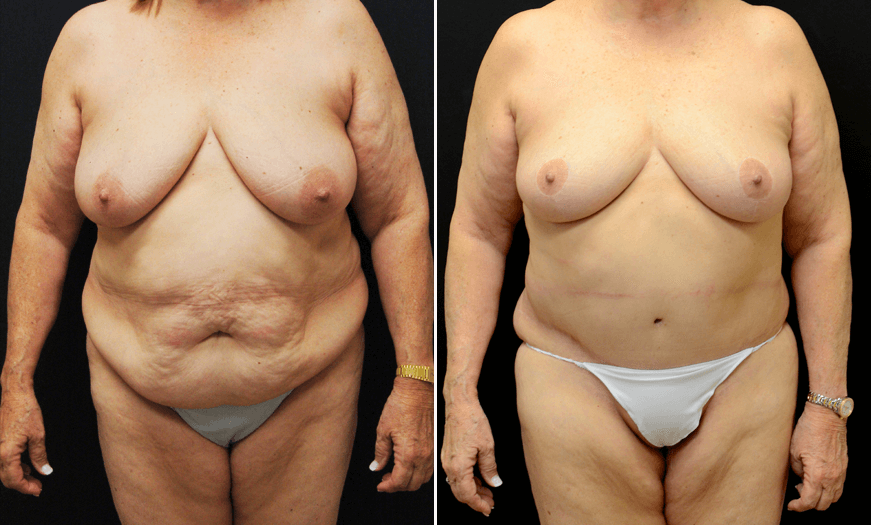
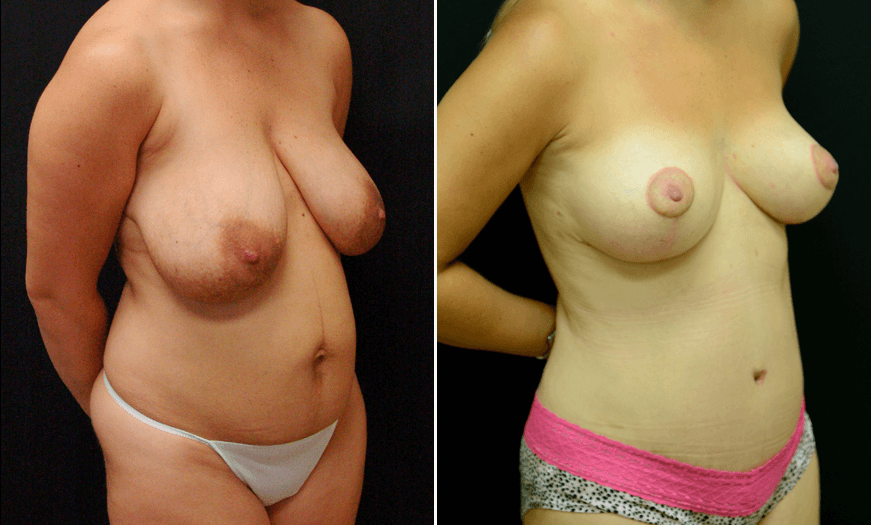
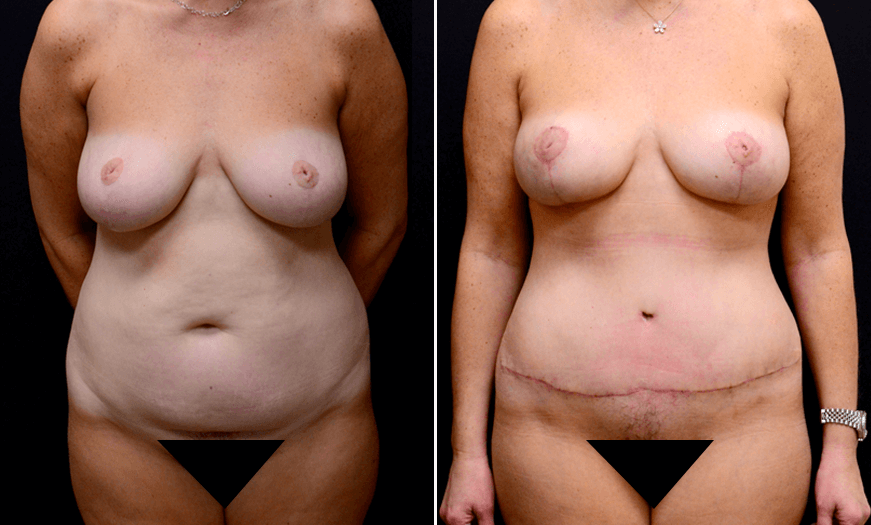
Tummy tuck surgery can achieve a firmer waistline by addressing abdominal laxity. Abdominoplasty is designed to achieve long-lasting, natural-looking results. Dr. Asaadi’s technique for placing incisions can ensure that post-procedure scars remain virtually unnoticeable.
Before
After
Before
After
Before
After
The Importance Of Choosing A Highly Experienced Tummy Tuck Surgeon
It is important that you choose a skilled tummy tuck surgeon who understands your individual anatomy, as every patient’s body is different. When the right plastic surgeon performs abdominoplasty, there is usually no need for a revision. Dr. Asaadi stresses the importance of choosing a qualified, experienced, and board-certified plastic surgeon when considering tummy tuck surgery.
How Can I Get Started With Tummy Tuck Surgery?
Dr. Mokhtar Asaadi and our staff will be happy to discuss abdominoplasty with you. Please contact our New Jersey office at 973.731.7000 or our New York office at 212.938.0158 to schedule a private consultation. You may also request an appointment online to meet with our tummy tuck surgeon.