Self-Care This Valentine’s Day – Facial Treatments NJ
Fall in love with yourself this Valentine’s! Take some time for yourself and indulge in skin care treatments that deliver real radiance and visibly youthful results. From medical-grade…
Read more
A single-surgeon practice built on four decades of meticulous work, in West Orange and in New York, on Park Avenue.
Explore Our Practice
Surgical procedures for the face and eyes, including revision work referred from other practices.
Explore Facial Rejuvenation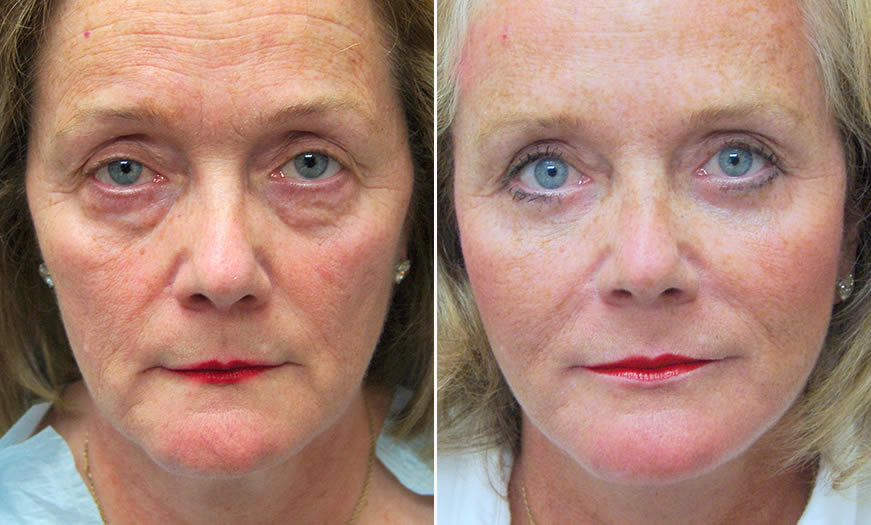
Augmentation, lift, reduction, reconstruction and explant — chosen for symmetry and longevity.
Explore Breast Enhancement
Two procedures developed and patented by Dr. Asaadi sit alongside the full range of body surgery.
Explore Body Contouring
Skin tightening, resurfacing and maintenance treatments with no downtime.
Explore Non-Invasive Treatments
Conservative, anatomy-led injectables administered by Dr. Asaadi.
Explore Cosmetic Injectables

One important factor to consider when undergoing a facelift is the presence of malar mounds or festoons. Malar mounds and festoons are areas of puffiness above the cheeks and nose and below the eyelids. Though they are not extremely well-known conditions, they are very common in patients requesting facelifts and can create problems post-surgery if not properly addressed beforehand. If a facelift is performed without proper diagnosis, patients may not see the results they had hoped for; this is because even after the facelift procedure is complete, the mound or festoon is still present under the skin. Most surgeons find the removal of these conditions to be extremely difficult and, in some cases, impossible. However, Dr. Asaadi has a new and unique approach to dealing with these conditions in order to ensure patients who are undergoing facelifts achieve the best results.
They are two possible reasons for the appearance of festoons and malar mounds; one is that the muscles around your eyes have become lax with age. The other possible cause is due to fat deposits around the eyes. Once a festoon or malar mound is properly diagnosed, Dr. Asaadi will then determine the cause of the condition—whether it be muscle laxity or the presence of fat deposits. If fat pockets are to blame, Dr. Asaadi will surgically remove the fat from beneath the skin. If muscle laxity is the underlying cause of your condition, then Dr. Asaadi will release ligaments within the muscle and remove part of the lax muscle while attaching the rest to a more stable area below the eyelid.
Though many surgeons may find removing festoons or malar mounds troublesome, Dr. Asaadi ensures that these conditions can be corrected if properly diagnosed and planned for. Once removed, patients will finally be able to enjoy the anticipated results of their facelift.

Dr. Asaadi and our staff welcome any questions you may have about malar mounds and festoons, as well as our facelift procedure. We also offer many other facial rejuvenation procedures. Contact our New Jersey office at 973.731.7000, or you may request an appointment online today!
Additional Links:
Fall in love with yourself this Valentine’s! Take some time for yourself and indulge in skin care treatments that deliver real radiance and visibly youthful results. From medical-grade…
Read moreFed up with a tired, puffy appearance due to drooping eyelids? Blepharoplasty, commonly known as eyelid surgery, provides rejuvenating results by removing excess skin and fat from the…
Read moreIn the colder months, weather and low humidity can result in dry, dull skin. It is common to experience trouble retaining skin moisture leading to skin concerns, such…
Read more